

China’s Green Energy Paradox

By Shilpa Susan John, Research Officer, C3S

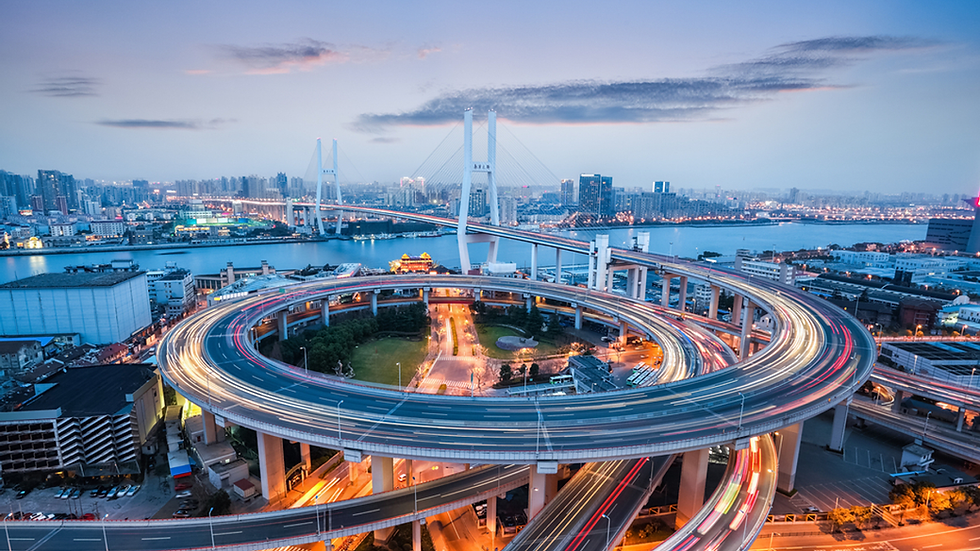
Image courtesy: CNBC

China’s dual position as the largest greenhouse gas emitter that contributes around 30% of world total and as the largest producer of renewable energy creates a complex dynamic in the global climate landscape. China’s transformation is shaped by environmental needs and the urgent requirement for technological change at a crucial time.
For the past decades of the century, the country was infamous for its greenhouse gas emission as well as for the polluting coal that is heavily used more than the rest of the world combined. The coal powered plants are the backbone of Chinese energy security and are closely linked towards the rapid industrialisation energy needs in the past. Alternate energy plans emerged in the mid-2000s, coinciding with the slowdown of China’s rapid GDP growth phase, while China’s coal-dependent development model had precipitated severe pollution crises. In the early 2000s, the country’s emission became more than double and by 2006, it surpassed the US and became the largest emitter of greenhouse gases by volume.
Realised by the negative impacts of being the world’s most polluter, it began to invest in renewable energy technologies right from the next five year plan to the subsequent ones. Investments were made in almost all aspects of renewable energy technology; in production, manufacturing, storage, supply chains and research and development. Within a decade, China became the leading producer of solar and wind energy and also achieved its monopoly over the supply chains. The green energy sector has witnessed remarkable growth, with over 95% of China's current investments directed toward renewables. The most substantial allocations have been in the battery sector, which plays a pivotal role in supporting electric vehicles (EVs) and power grid infrastructure.
China’s two principal climate objectives are widely known as the “30–60 goals”: peaking carbon dioxide (CO₂) emissions before 2030 and achieving carbon neutrality before 2060. These targets were formally announced in 2020, when President Xi Jinping, in his address to the United Nations General Assembly (UNGA), declared that China would strive to reach peak CO₂ emissions before 2030 and attain carbon neutrality by 2060.
At the 2025 UN Climate Summit, Xi further elaborated on China's updated Nationally Determined Contributions (NDCs). These commitments include reducing greenhouse gas emissions by 7 -10% from peak levels by 2035, elevating the share of non-fossil fuels in total primary energy consumption to over 30%, and expanding installed solar and wind capacity to more than six times 2020 levels, approximately 3,600 GW in total. In his address, Xi also underscored the imperative of fostering climate-adaptive societies to bolster domestic climate policies.
In 2024, China added around 374 gigawatts of renewable power. This amount exceeded that of the US by over eightfold and was five times higher than that of Europe. In the same year China installed 360GW of wind and solar capacity, accounting for more than half of total global additions that year. As a result the total installed wind and solar capacity is 1.4 terawatts which is nearly one-third of the world’s total 4.5TW. China has around 887GW of solar panel power as compared to 176GW in the US, around 90GW in Germany, 21GW in France and over 17GW in the UK. Chinese renewable generation reached 336 terawatt hours in 2024, with wind and solar emerging as the largest source of new power.
Despite this rapid expansion, as of 2023, renewable energy accounted only for 25.1% of China’s total power generation indicating the continued domination of fossil fuels in electricity means even as clean energy capacity grows at record levels. As per the reports from Centre for Research on Energy and Clean Air, China’s green energy sector doubled in size from 2022 to 2025, contributing approximately 11.5% to GDP that year.
In 2025, China’s total installed clean energy capacity exceeded that of fossil fuel and clean energy resources like solar, wind, hydro and nuclear, accounting for around 51% of the country’s total power fleet which was around 31% in 2015. It reached 1,494GW as compared to 1,420 GW from fossil fuels. This shift has curtailed coal's share in generation. However, it reflects installed capacity rather than actual output, where coal plants continue to prevail. Even though a lot of efforts are made on expanding green energy, the prevailing pressures from the coal manufacturers who have significant political influence in the country, depicts the ongoing challenges in achieving the green goals. In 2025, the permits granted for the new coal plants in China were at the lowest of the past four years and on the other hand the proposals for building coal plants was the highest in the year for around 161 GW.
Coal contributes a remarkable part to the Chinese energy need that creates the country’s electricity sector as one of the largest emitters in the world. The demand and production capacity for coal remains high in nature. At present, a quarter of the world’s total consumption of coal is used for producing electricity in China. The government is promoting emissions reductions and improved air quality through alternative means but China’s coal fleet is comparatively young, highly efficient and almost ten times larger than its alternative power sources.
The limited capacity factors of renewable energy is a challenging part of the green transition. Coal plants generally work on high and stable conditions and can produce power continuously without interruption. The availability of wind and solar energy are not regular as compared to fossil resources. Solar energy could be produced on sunny days and wind turbines work depending on the availability of wind. This results in a comparatively smaller share of renewable resources towards the total electricity generation despite having large installed capacity of the renewable structures.
The potential areas for solar and wind energy lie in the north western region of the country like Xinjiang, Gansu, and Quinghai. The major demand areas for electricity lies mainly in the eastern and southern regions such as Shanghai, Guangdong and Jiangsu which are densely populated and are centres of industrialisation and manufacturing. Long-distance transmission demands robust infrastructure, including expanded battery storage, pumped hydro, and flexible backups, to synchronize generation, storage, and consumption for reliable grid integration. Hence, the transmission of electricity must be in coordination with the production, storage and demand. Facilities like expanded battery storage, proper hydro storage and flexible power backup are inevitable to ensure that the extracted renewable energy could be integrated to the national grid reliably.
China’s potential rise as the global leader for green energy is noted in this era of climate commitments where countries like the US under the Trump Administration, are moving away from green commitments and chasing the non-renewables for profit maximisation. PRC as the largest investor, producer and manufacturer of renewable energy creates higher standards for the rest of the countries to follow upon. Beijing also leads as the top manufacturer and the largest market of electric vehicles. By adopting EV as their major transportation means, it significantly reduces vehicular emission.
Recent studies show that CO2 emissions have already peaked in 2024 with emission slightly declined in 2025. China is progressing and taking steps to meet its goal of energy transition by the year 2030 and carbon neutrality by 2060. But it also requires stronger policy action particularly in heavy industry and for energy efficiency. Carbon neutrality is the long term objective of the country that is to be achieved by 2060.hina’s current climate strategy primarily focuses on carbon dioxide (CO₂) emissions, while other greenhouse gases receive comparatively less policy attention.
China capitalized on its peak emissions phase to pivot toward self-reliant renewables, outpacing many peers. Yet challenges persist: fossil fuels generate ~60% of electricity, EVs rely on coal-heavy grids, and the capacity-generation gap sustains coal dependence. The transition rebalances rather than abandons fossils. They are kind of advanced in their green transition by being self reliant in renewable energy production.
Overdependence on fossil fuel is a major problem in China’s growth towards sustainability and in achieving their ambitious climate goals. Around 60% of the country’s electricity is produced through fossil fuels. Through EVs, they are reducing the emission but for the electricity to run these vehicles, they are still heavily reliant on coal power plants that produce huge emissions. The installed capacity and the generational gap in the renewable energy resource is another major point that leads to the increased coal dependency. China’s current energy transition does not represent a complete departure from fossil fuels, but rather a structural rebalancing of its overall energy mix.
China’s green transition navigates ambitious emission cuts against fossil fuel realities, hinging on renewable efficiency for smooth execution. Success will profoundly shape global climate outcomes.
References
(Shilpa Susan John is a Research Officer at the Chennai Centre for China Studies. The views are expressed are those of the author and does not reflect the views of C3S.)


Comments