

Strategic Restraint and Strategic Silence: China, India, and the Geopolitics of Iran’s War

By Annunthra Rangan

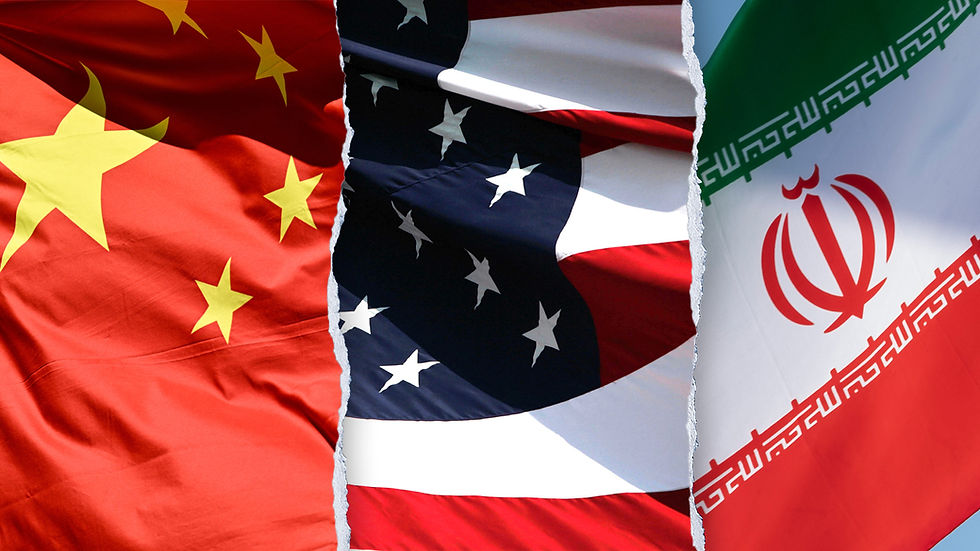
Image Courtesy: Times of India

Abstract:
The recent conflict involving Iran has reshaped regional geopolitics in West Asia, raising critical questions about war management, deterrence, and the responses of major external actors. This paper examines how Iran has navigated the conflict through a strategy centered on asymmetric deterrence, distributed military command, and economic pressure through energy geopolitics. Particular attention is given to Iran’s ability to sustain retaliatory capabilities despite sustained military pressure, thereby preserving its deterrent posture against adversaries such as Israel and the United States.
Beyond the battlefield, the study analyzes the broader geopolitical implications of the conflict by evaluating the strategic positions of China and India. While China has maintained a strategic partnership with Iran through technological cooperation, economic engagement, and diplomatic backing, it has simultaneously exercised restraint by avoiding direct military involvement. India, despite its historical ties with Iran and strategic interests in regional connectivity projects such as Chabahar Port, has adopted a cautious and restrained policy posture during the crisis.
The paper also explores the role of information warfare, competing global narratives, and the economic implications of potential disruptions to the Strait of Hormuz. It argues that Iran’s wartime strategy reflects a broader doctrine of strategic endurance aimed at imposing costs on adversaries while preserving long-term geopolitical relevance.
(Annunthra Rangan is a Senior Research Officer at the Chennai Centre for China Studies. The views expressed here are those of the author and does not reflect the views of C3S.)



Comments