

C3S ISSUE BRIEF XVIII: The Geopolitics of Energy Realignment: The US, China and the Changing Dynamics of the GCC

Updated: May 1
By Abia Fathima, Research Officer, C3S

Image Courtesy: The Economist

Introduction
The geopolitical architecture of the Gulf Cooperation Council (GCC) has entered a phase of profound structural transformation, marking the most significant shift in regional energy diplomacy since the conclusion of the Second World War. For eighty years, the regional order was defined by the foundational encounter between President Franklin D. Roosevelt and King Abdulaziz Ibn Saud aboard the USS Quincy in February 1945. This meeting established a consequential energy-for-security framework that became the bedrock of the twentieth-century energy system: the provision of military protection and political stability by the United States in exchange for a reliable supply of hydrocarbons and the recycling of petrodollars into the American financial system. This unwritten arrangement inaugurated an era where the US dollar became the sole reserve currency for the world oil trade, locking the Gulf into a dollar-denominated financial architecture that underpinned American global primacy for decades.
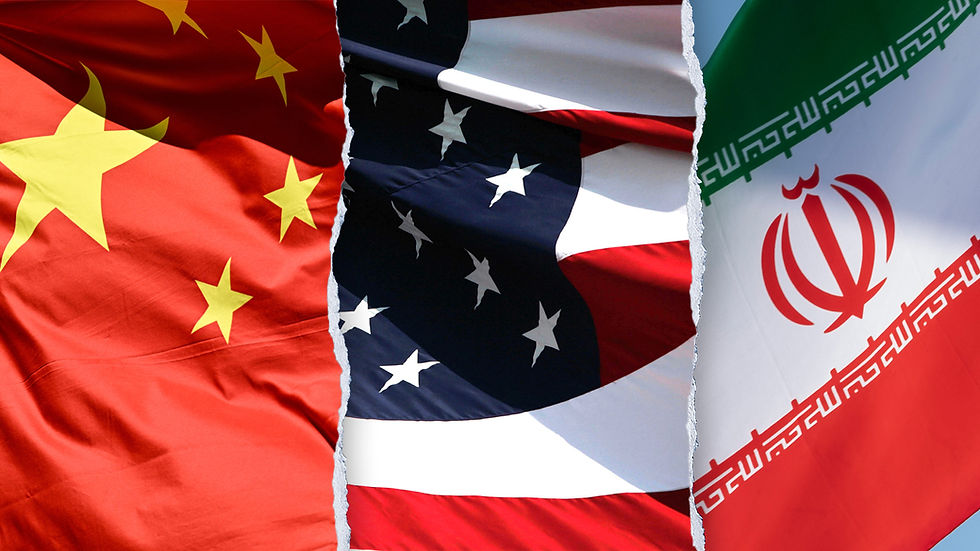
However, the contemporary landscape is characterized by the erosion of this exclusive alignment. The emergence of China as the GCC’s single largest trading partner, the transformation of the United States into the world’s largest oil and gas producer via the shale revolution, and a global pivot toward renewable energy have collectively undermined the traditional “oil-for-security” compact. The current order is better understood as a contested hierarchy, where the GCC states are no longer passive recipients of external security but active strategic agents. They are increasingly leveraging their pivotal position to navigate a multipolar world, engineering a deliberate competition between Washington and Beijing to extract maximum technological, economic, and security concessions. This strategic recalibration is driven by a series of structural divergences that have accumulated across the last twenty years, leading to a regional configuration.
Read the full Issue Brief at this link:
(Abia Fathima is a research officer at C3S. The views expressed here are of the author's and do not reflect the views of C3S.)



Comments