



38 minutes ago2 min read


BY SHUBHI MALHOTRA & Dr. ADITYANJEE


Introduction
In the summer of 2026, President Donald Trump posted on Truth Social a photograph of himself strolling alongside North Korean dynastic dictator Kim Jong Un at the Capella Hotel in Singapore, the site of their historic 2018 summit. The image was not a photograph of a new meeting. It was a nostalgic gesture; a piece of political messaging directed as much at Pyongyang as at Trump's domestic audience. Yet its meaning was unmistakable: the Trump administration was signaling once again its appetite for personal diplomacy with the Democratic People's Republic of Korea (DPRK), and its belief that the singular force of Trump's personal relationship with Kim Jong Un could unlock a negotiating breakthrough that decades of conventional diplomacy had failed to achieve.
Trump has repeatedly signaled his intention to meet Kim Jong Un in 2026, arguing that his personal relationship with the North Korean leader is "a good thing, not a bad thing" and that direct engagement could help address tensions surrounding North Korea's nuclear weapons programme. At the G7 summit in France in June 2026, Trump reportedly told South Korean President Lee Jae-myung that he would restart diplomacy with North Korea.
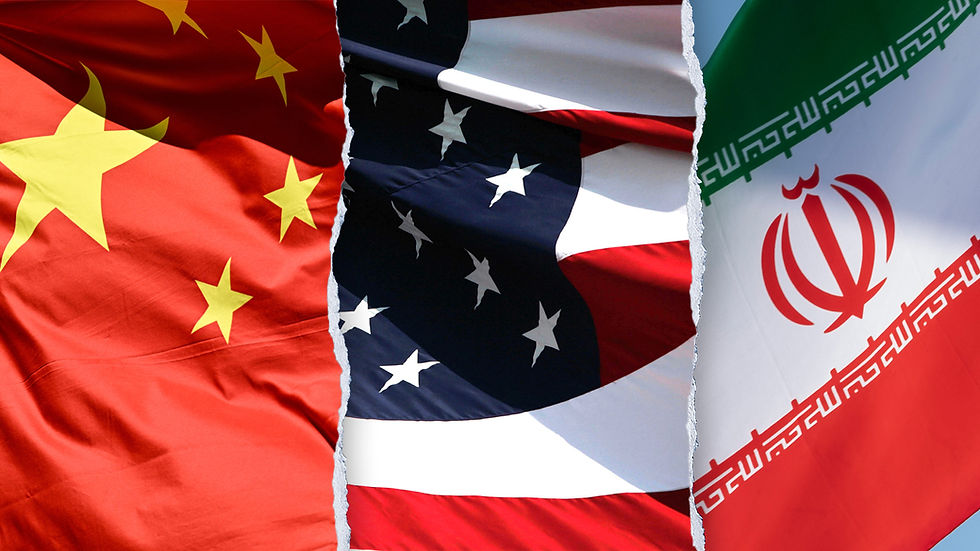
The problem is that this is largely a one-sided lovefest. Kim Jong Un has made it clear he would refuse to come to the negotiating table unless the United States abandons its "obsession with denuclearisation," while the likelihood of talks between Washington and Pyongyang is significantly lower than during Trump's first term. Understanding why requires examining not merely the bilateral dynamics between Washington and Pyongyang, but the transformed strategic landscape of Northeast Asia, a region now shaped by a deepening China-Iran-Russia-North Korea (CIRN or CRINK) quad, a reconfigured US alliance architecture, and a fundamental contest over whether nuclear coexistence or denuclearisation will define the Korean peninsula's future.
Read the full Issue Brief at this link:
(Shubhi Malhotra is a Training Fellow in Strategic Studies at CSA, and Dr. Adityanjee serves as the President of CSA. The views expressed in this article are solely those of the authors and do not necessarily reflect the views of C3S.)


Comments